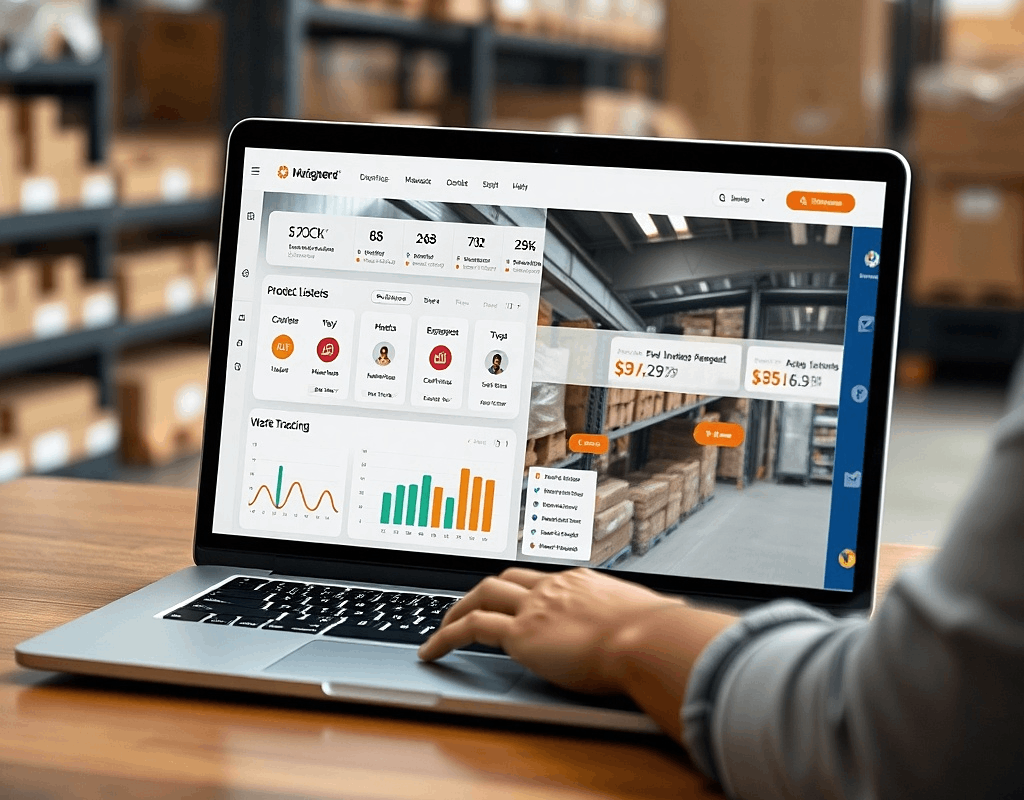
Managing inventory is one of the most critical—and often complex—parts of running a business. Whether you’re a retail store owner or managing a fast-growing ecommerce brand, keeping track of stock levels, orders, and warehouse movement can quickly become overwhelming without the right systems in place.
This is where inventory management software plays a transformative role. By digitizing and automating processes, businesses can gain real-time visibility, reduce errors, and make smarter decisions.
Let’s explore how modern businesses manage inventory using digital systems.
1. Managing Stock Levels in Real Time
At its core, inventory management software helps businesses monitor stock levels across multiple locations in real time.
Instead of relying on spreadsheets or manual counts, digital systems automatically update inventory whenever:
- A sale is made
- New stock is received
- Items are transferred between locations
Example (Retail):
A clothing store chain tracks inventory across all outlets. If a product sells out in one store but is available in another, staff can quickly locate and transfer it.
Example (Ecommerce):
An online electronics store syncs inventory with its website. When a customer places an order, stock levels are instantly updated, preventing overselling.
2. Streamlining Purchase Orders
Inventory software simplifies the creation and management of purchase orders (POs), ensuring businesses restock efficiently.
Key capabilities include:
- Generating POs automatically based on stock thresholds
- Tracking supplier details and order history
- Monitoring order status (ordered, shipped, received)
Example (Retail):
A supermarket uses software to automatically reorder fast-moving items like milk and bread when stock drops below a set level.
Example (Ecommerce):
A D2C beauty brand tracks supplier lead times and automates purchase orders to avoid delays during high-demand periods like festive sales.
3. Warehouse Tracking and Organization
For businesses with warehouses, inventory systems provide tools to manage storage, movement, and fulfillment.
Features typically include:
- Bin and shelf location tracking
- Barcode or RFID scanning
- Batch and serial number tracking
- Order picking and packing workflows
Example (Retail):
A furniture retailer uses warehouse tracking to locate items quickly, reducing fulfillment time and improving customer experience.
Example (Ecommerce):
An online fashion brand organizes its warehouse using bin locations. When an order is placed, staff receive optimized picking routes to fulfill orders faster.
4. Low-Stock Alerts and Automation
Running out of stock can lead to lost sales and unhappy customers. Inventory software helps prevent this with automated alerts.
These systems:
- Notify users when stock falls below predefined levels
- Trigger automatic reordering
- Provide demand forecasting insights
Example (Retail):
A pharmacy receives alerts when essential medicines are running low, ensuring timely restocking.
Example (Ecommerce):
An online grocery platform uses predictive analytics to anticipate demand spikes and adjust inventory levels accordingly.
5. Data-Driven Decision Making
Beyond tracking, inventory software provides valuable insights:
- Fast-moving vs slow-moving products
- Seasonal demand trends
- Inventory turnover rates
- Supplier performance
With these insights, businesses can:
- Optimize stock levels
- Reduce carrying costs
- Improve profitability
Why Businesses Are Moving to Digital Inventory Systems
Manual inventory management is prone to errors, delays, and inefficiencies. Digital systems offer:
- Accuracy through automation
- Real-time visibility
- Better coordination across teams
- Scalability for growing businesses
Whether it’s a single retail outlet or a global ecommerce operation, inventory management software has become essential for staying competitive.
Thinking of Launching a Platform Like This?
If you’re inspired to build an inventory management solution or a similar digital platform, you’re not alone. Many startups and businesses are exploring ways to create tools that solve real operational challenges.
Turnkey Infotech helps entrepreneurs and companies design and develop powerful digital products—from concept to launch. Building a platform like this requires the right technology architecture, scalable backend systems, and a seamless user experience.
They can help you build:
- Websites
- Ecommerce platforms
- Mobile apps
- SaaS platforms
- Marketplace solutions
- Custom business software
If you have an idea in mind or want to explore how such a platform could work, it’s worth having a conversation.
Book a Free Consultation or Request a Free Demo to discuss your vision and take the first step toward building your own solution.