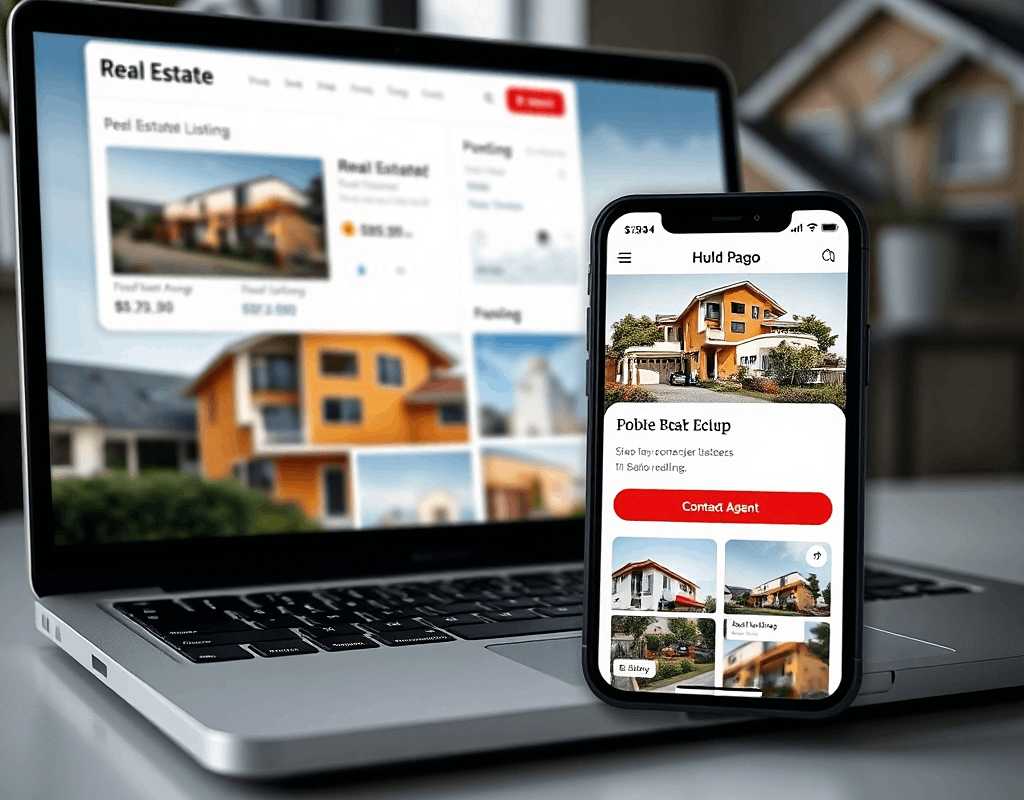
In today’s digital-first property market, a real estate listing website is much more than a directory of homes—it’s a powerful platform that connects buyers, sellers, agents, and investors in one seamless ecosystem. Whether you’re building a property marketplace or modernizing a brokerage’s online presence, understanding the core components of such a platform is essential.
Let’s break down the key features that make a real estate listing website practical, scalable, and user-friendly.
1. Listing Management System
At the heart of any real estate platform lies the listing management system. This is where properties are created, updated, and managed.
Key capabilities:
- Property uploads with images, videos, and documents
- Structured fields for price, location, amenities, and specifications
- Listing categories (sale, rent, commercial, residential)
- Status tracking (available, sold, under negotiation)
- Bulk upload options for agencies or large portfolios
A well-designed listing system ensures consistency in data and enables users to easily browse and compare properties.
2. Advanced Search & Filters
Users typically visit real estate platforms with a clear goal—finding a property that meets specific criteria. That’s where advanced search and filtering become critical.
Common filters include:
- Location (city, locality, pin code)
- Budget range
- Property type (apartment, villa, office, land)
- Number of bedrooms/bathrooms
- Amenities (parking, gym, furnished, etc.)
- Property age or possession status
Smart enhancements:
- Map-based search
- Saved searches and alerts
- AI-based recommendations
An intuitive search experience significantly improves engagement and conversion rates.
3. Detailed Property Profiles
Each listing should open into a rich property profile page that gives users everything they need to make a decision.
What a strong property profile includes:
- High-quality images and virtual tours
- Detailed description and highlights
- Pricing breakdown and EMI estimations
- Location map and neighborhood insights
- Amenities and floor plans
- Agent or owner contact details
The goal is to replicate an on-site experience digitally, helping users visualize the property without visiting immediately.
4. Enquiry & Lead Capture Forms
A real estate website is not just about browsing—it’s about generating leads. Enquiry forms play a crucial role in converting visitors into potential buyers or tenants.
Best practices:
- Simple and quick-to-fill forms
- Options to request callbacks or schedule visits
- Integration with WhatsApp or instant chat
- Auto-response confirmations
- Lead tracking and notifications
These forms should be strategically placed across listing pages, search results, and even landing pages.
5. Agent & Admin Dashboards
To manage the platform efficiently, you need robust dashboards for agents and administrators.
Agent dashboard features:
- Add/edit property listings
- Track enquiries and leads
- Respond to customer queries
- Monitor listing performance
Admin dashboard features:
- Approve or reject listings
- Manage users (buyers, sellers, agents)
- View analytics and reports
- Handle payments and subscriptions
- Moderate content and prevent spam
These dashboards ensure smooth operations and provide transparency across the platform.
6. Additional Features That Add Value
To stay competitive, modern real estate platforms often include:
- User accounts with saved favorites
- Mortgage calculators
- Property comparison tools
- Review and rating systems for agents
- Subscription plans for premium listings
- Mobile responsiveness or dedicated apps
These features enhance user experience and open up monetization opportunities.
7. Technology Considerations
Building a real estate listing website requires thoughtful planning of:
- Scalable backend architecture
- Fast-loading frontend interfaces
- Secure data handling
- Integration with third-party tools (maps, payment gateways, CRMs)
- Cloud hosting for performance and reliability
A strong tech foundation ensures your platform can grow as user demand increases.
Thinking of Launching a Platform Like This?
If you’re exploring the idea of building a real estate listing website, having the right technology partner can make all the difference. Turnkey Infotech helps businesses and startups design and develop digital products—from websites and ecommerce platforms to mobile apps, SaaS products, and full-scale marketplaces.
Building a platform like this isn’t just about design—it requires the right architecture, scalability planning, and development expertise to ensure long-term success.
Here’s what Turnkey Infotech can help you build:
- Websites
- Ecommerce platforms
- Mobile apps
- SaaS platforms
- Marketplaces
- Custom software solutions
If you have an idea in mind or want to explore what’s possible, it’s a great time to take the next step. Book a free consultation or request a demo to discuss your concept and see how it can be brought to life.
Ready to move forward? Request a Free Demo or Book a Free Consultation today.