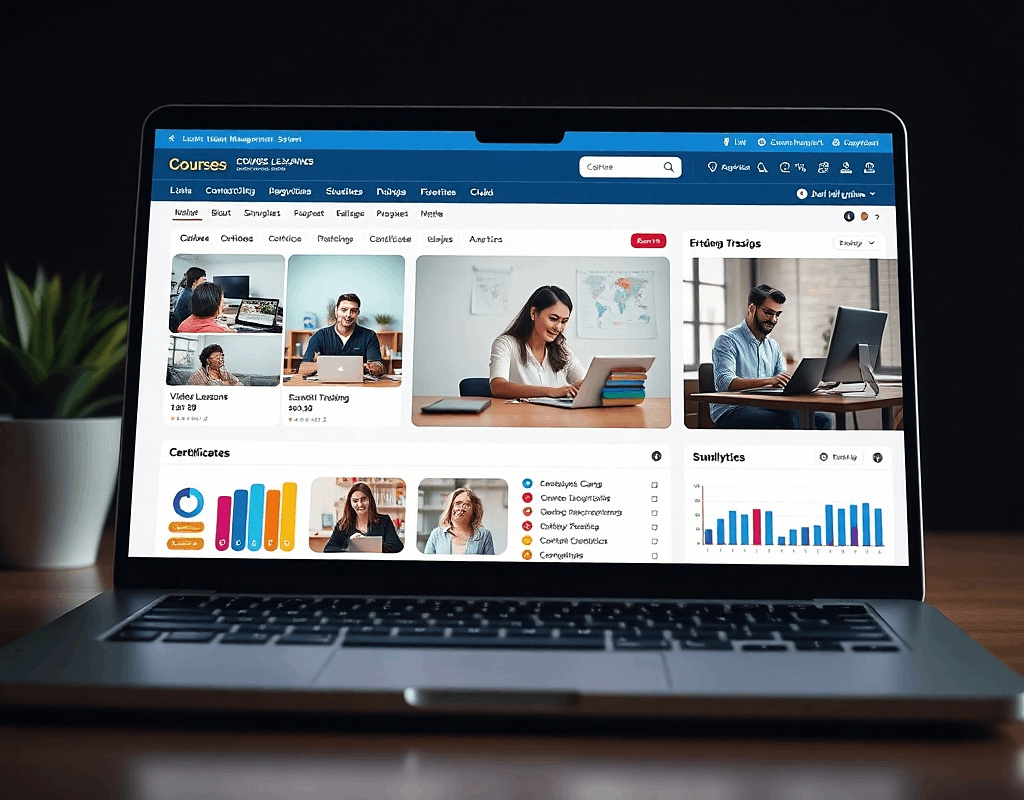
Learning Management Systems (LMS) have become essential for businesses, educators, and entrepreneurs looking to deliver structured online education. Whether you’re building a platform for corporate training, online courses, or coaching programs, understanding the core LMS website features is crucial for success.
This guide breaks down the key modules every LMS platform should include—focusing on functionality, usability, and scalability.
1. Course Upload & Content Management
At the heart of every LMS is the ability to create and manage courses efficiently.
Key Features:
- Upload videos, PDFs, presentations, and quizzes
- Organize content into modules and lessons
- Drip-feed content based on schedules
- Support for multiple formats (SCORM, video, audio)
Why It Matters:
A smooth course upload system ensures instructors can focus on content creation rather than technical complexity. The more flexible your content management, the more scalable your platform becomes.
2. Student Login & User Management
A secure and personalized user experience is essential for any LMS.
Key Features:
Why It Matters:
- Secure login and registration
- Social login (Google, LinkedIn, etc.)
- Role-based access (students, instructors, admins)
- User profile management
User management controls who can access what. It ensures security while enabling personalized learning experiences for each user.
3. Progress Tracking & Learning Analytics
Tracking user progress is critical for engagement and performance monitoring.
Key Features:
- Course completion tracking
- Progress bars and dashboards
- Time spent on lessons
- Performance analytics and reports
Why It Matters:
Progress tracking keeps learners motivated and helps instructors identify where users struggle, enabling data-driven improvements.
4. Certification & Assessments
Certifications validate learning and add value to your platform.
Key Features:
- Quiz and test creation
- Automated grading
- Custom certificate generation
- Pass/fail criteria
Why It Matters:
Certifications increase user engagement and credibility. They are especially important for professional training platforms and corporate LMS solutions.
5. Admin Dashboard & Platform Control
The admin dashboard is the control center of your LMS.
Key Features:
- User and course management
- Revenue tracking and reports
- Content moderation
- Platform analytics
Why It Matters:
A powerful admin panel helps manage operations efficiently, monitor performance, and make strategic decisions.
6. Payment Integration & Monetization
If you’re selling courses, seamless payment integration is a must.
Key Features:
- Multiple payment gateways
- Subscription and one-time payment models
- Coupon and discount systems
- Invoice generation
Why It Matters:
A frictionless payment system directly impacts conversions and revenue growth.
7. Communication & Engagement Tools
Learning platforms thrive on interaction and engagement.
Key Features:
- Discussion forums
- Live chat or messaging
- Email notifications
- Announcements
Why It Matters:
Interactive features keep learners engaged and improve course completion rates.
8. Mobile Responsiveness & Accessibility
Modern users expect learning on the go.
Key Features:
- Mobile-friendly design
- Cross-device compatibility
- Accessibility compliance (WCAG standards)
Why It Matters:
A responsive LMS ensures users can access content anytime, anywhere—boosting retention and satisfaction.
Final Thoughts
Building a successful LMS platform goes beyond just uploading courses. It requires a thoughtful combination of user experience, scalability, and robust backend functionality. By focusing on these essential LMS website features, you can create a platform that not only attracts users but keeps them engaged and coming back.
Thinking of Launching a Platform Like This?
If you’re exploring the idea of building an LMS or any digital platform, having the right tech foundation makes all the difference. Turnkey Infotech works with startups and businesses to design and develop scalable digital products—from idea to launch.
Building something like an LMS involves more than just features—it requires the right architecture, seamless user experience, and future-ready development.
What can Turnkey Infotech help you build?
- Websites
- Ecommerce platforms
- Mobile apps
- SaaS platforms
- Marketplaces
- Custom software solutions
If you have an idea and want to explore how it can be brought to life, this is a great place to start.
👉 Book a Free Consultation or Request a Free Demo to discuss your vision and see how your platform can take shape.