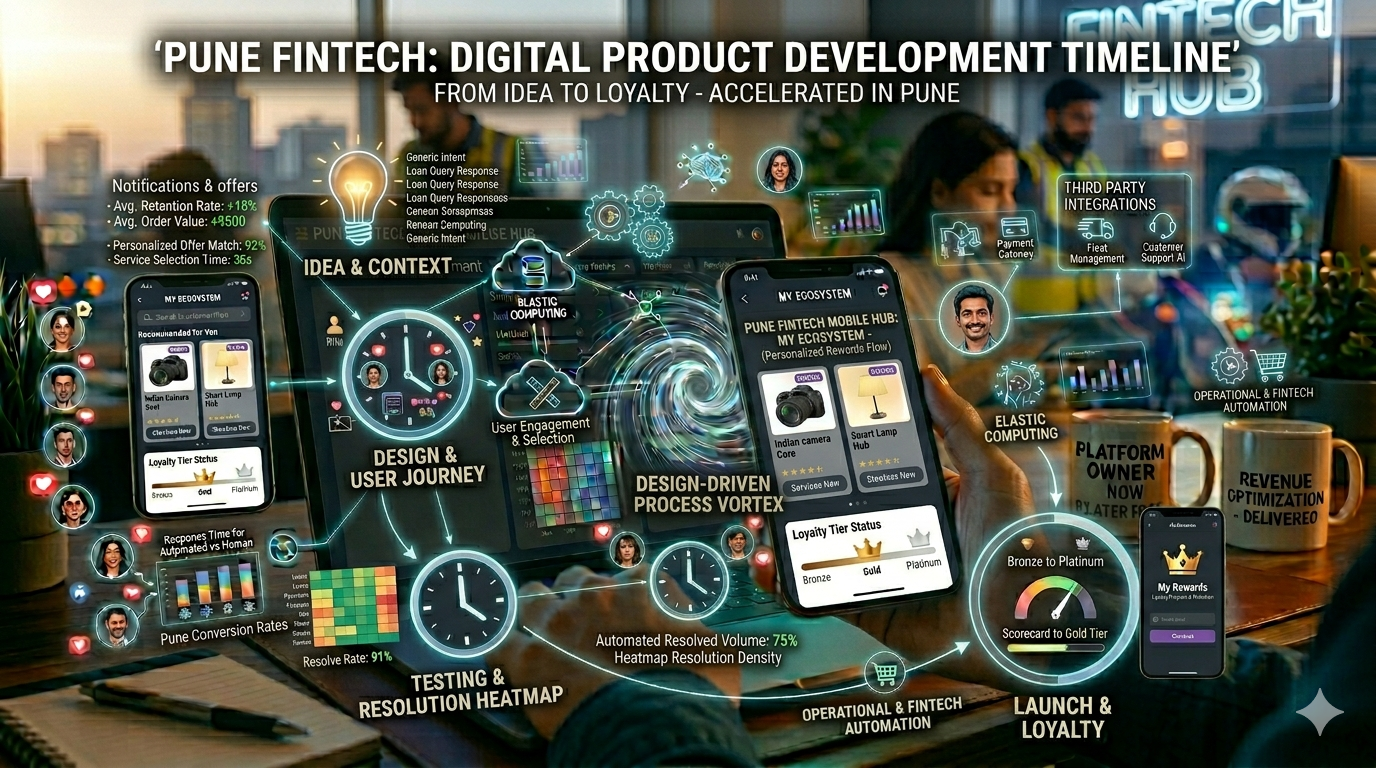
Building custom software is more than just writing code—it’s a structured journey that transforms an idea into a scalable, reliable digital solution tailored to specific business needs. Whether you’re developing a CRM system, an eCommerce platform, or a SaaS product, following a well-defined process ensures quality, efficiency, and long-term success.
This guide walks you through each stage of the custom software development process, with practical examples relevant to business systems.
1. Requirement Analysis
The foundation of any successful software project lies in understanding what needs to be built and why.
What happens in this stage:
- Stakeholder interviews and workshops
- Defining business goals and objectives
- Identifying target users and use cases
- Creating Software Requirement Specifications (SRS)
Example:
A logistics company wants a fleet management system. During requirement analysis, the team identifies features like GPS tracking, route optimization, fuel monitoring, and reporting dashboards.
Key Deliverables:
- Functional requirements
- Non-functional requirements (performance, scalability, security)
- User stories and workflows
2. System Architecture & Design
Once requirements are clear, the next step is designing how the system will function behind the scenes.
What happens in this stage:
- Choosing technology stack (e.g., React, Node.js, Python, cloud platforms)
- Designing system architecture (monolithic vs microservices)
- Database design and schema planning
- UI/UX wireframes and prototypes
Example:
For an eCommerce platform, architects decide:
- Microservices architecture for scalability
- Cloud hosting (AWS/Azure)
- Separate services for payments, inventory, and user management
Key Deliverables:
- Architecture diagrams
- Database schema
- UI/UX designs
- Technical specifications
3. Development (Implementation)
This is where the actual coding begins, turning designs into functional software.
What happens in this stage:
- Frontend and backend development
- API integrations (payment gateways, third-party tools)
- Database implementation
- Feature development in sprints (Agile methodology)
Example:
In a SaaS HR management system:
- Frontend developers build employee dashboards
- Backend developers implement payroll logic and attendance tracking
- APIs integrate with third-party accounting tools
Best Practices:
- Use version control (Git)
- Follow coding standards
- Conduct regular code reviews
- Build in iterations (Agile sprints)
4. Testing & Quality Assurance
Before launch, the software must be thoroughly tested to ensure it works as expected.
Types of testing:
- Functional testing (does it meet requirements?)
- Performance testing (can it handle load?)
- Security testing (is data protected?)
- Usability testing (is it user-friendly?)
Example:
For a banking application:
- Test transaction flows
- Simulate high user traffic
- Validate encryption and authentication systems
Key Deliverables:
- Test cases and reports
- Bug tracking and fixes
- Quality assurance sign-off
5. Deployment & Launch
After testing, the software is deployed to a live environment where users can access it.
What happens in this stage:
- Setting up production servers
- Deploying code to cloud or hosting environment
- Configuring domain, SSL, and security settings
- Monitoring initial performance
Example:
A marketplace platform is launched with:
- Cloud deployment (AWS/GCP)
- CDN for faster loading
- Payment gateway integration
- Real-time monitoring tools
Post-launch checklist:
- Ensure system stability
- Monitor user behavior
- Fix immediate issues
6. Maintenance & Continuous Improvement
Software development doesn’t end at launch—it evolves over time.
What happens in this stage:
- Bug fixes and updates
- Performance optimization
- Feature enhancements based on feedback
- Security updates
Example:
A CRM system adds:
- AI-based lead scoring
- Mobile app support
- Integration with marketing tools
Why Following a Structured Process Matters
A well-defined custom software development process helps:
- Reduce risks and unexpected costs
- Improve product quality
- Ensure scalability and future readiness
- Align technology with business goals
Without structure, projects often face delays, budget overruns, or performance issues.
Thinking of Launching a Platform Like This?
If you’re exploring an idea for a digital product, having the right development partner can make all the difference. Turnkey Infotech helps startups and businesses design and build scalable digital solutions—from concept to launch.
They specialize in:
- Websites
- Ecommerce platforms
- Mobile apps
- SaaS platforms
- Marketplace platforms
- Custom software systems
Building a successful platform requires the right architecture, technology stack, and development expertise from day one. Whether you’re validating an idea or scaling an existing product, expert guidance can save time, cost, and effort.
If you have a concept in mind, this is a great time to explore it further.
Request a Free Demo or Book a Free Consultation to discuss your idea and see how it can be transformed into a powerful digital product.