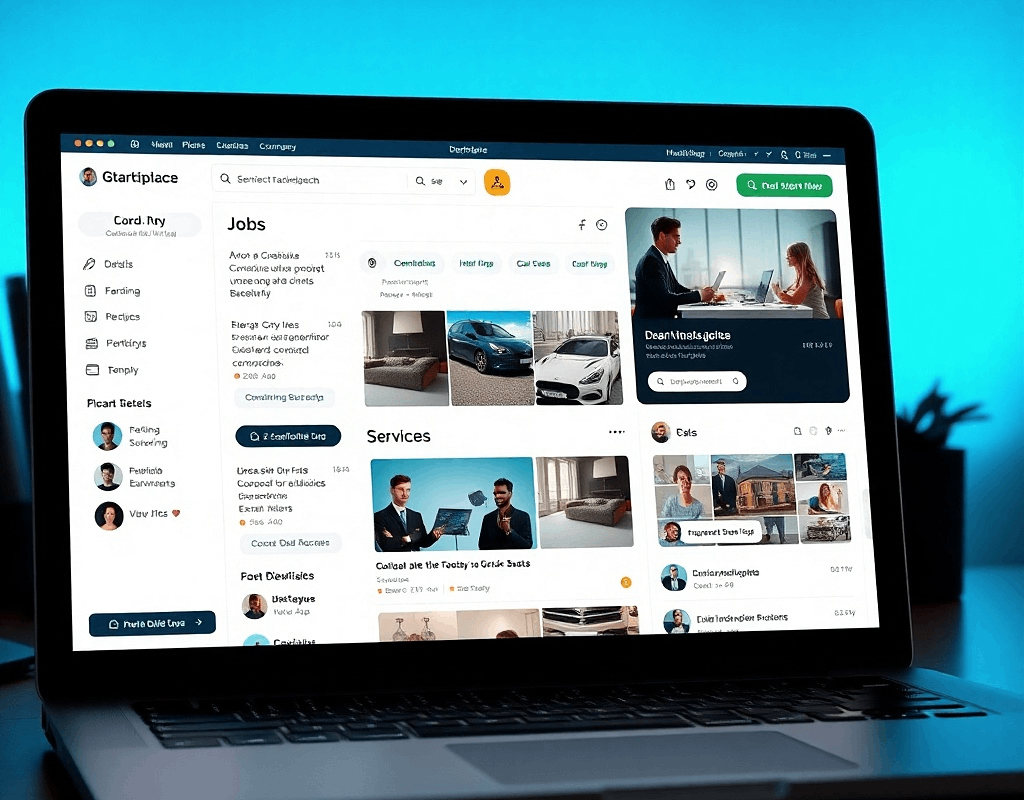
Classified platforms have transformed how people buy, sell, and connect locally and globally. From real estate listings to job postings and second-hand goods, these platforms thrive on simplicity, accessibility, and trust. If you’re planning to build a classified platform, understanding its core components is essential to creating a seamless user experience and a scalable business model.
1. Listing Creation: The Foundation of Your Platform
At the heart of every classified platform lies the listing system. This is where users showcase their products or services, making it crucial to design an intuitive and flexible listing creation process.
Key considerations:
- User-friendly forms with minimal friction
- Media uploads (images, videos) for better visibility
- Category selection to organize listings effectively
- Custom fields based on listing types (price, location, condition, etc.)
- Draft and edit options for user convenience
A well-designed listing flow ensures higher user engagement and better-quality content on your platform.
2. Search Filters: Enhancing Discoverability
With potentially thousands of listings, robust search functionality is critical. Users should be able to find exactly what they need quickly and efficiently.
Important features include:
- Keyword-based search
- Advanced filters (price range, location, category, date posted)
- Sorting options (latest, relevance, price)
- Geo-location search for local discovery
Implementing intelligent search algorithms and filter combinations improves user satisfaction and retention.
3. Messaging Systems: Enabling Seamless Communication
Direct communication between buyers and sellers is a cornerstone of classified platforms. A built-in messaging system eliminates friction and keeps users engaged within the platform.
Core components:
- Real-time chat functionality
- Notifications (push/email alerts for new messages)
- Media sharing (images, documents)
- Privacy controls to protect user information
A reliable messaging system builds trust and encourages transactions to happen within your platform ecosystem.
4. Moderation Tools: Maintaining Trust and Safety
Trust is everything in a classified marketplace. Without proper moderation, platforms can quickly become cluttered with spam, fraud, or inappropriate content.
Essential moderation tools:
- Automated content filtering (AI-based spam detection)
- User reporting mechanisms
- Admin dashboards for reviewing flagged listings
- Approval workflows for sensitive categories
- User verification systems
Balancing automation with manual oversight ensures a safe and credible environment for users.
5. Monetization Strategies: Turning Engagement into Revenue
Once your platform gains traction, monetization becomes a key focus. There are several proven strategies to generate revenue without compromising user experience.
Popular approaches:
- Featured listings (paid promotions for higher visibility)
- Subscription plans for power users or businesses
- Listing fees for premium categories
- Display advertising
- Lead generation or commission-based models
The key is to align monetization strategies with user value—ensuring users feel they are getting a fair return on their investment.
Building for Scale and Performance
Beyond features, a successful classified platform requires:
- Scalable architecture to handle growing traffic
- Mobile responsiveness or dedicated apps
- Secure payment integrations (if applicable)
- Data analytics for user behavior insights
- Cloud infrastructure for reliability and uptime
Investing in the right technology stack early helps avoid costly rebuilds later.
Thinking of Launching a Platform Like This?
If you’re exploring the idea of building your own classified platform or marketplace, having the right technology partner can make all the difference. Turnkey Infotech helps startups and businesses design and develop powerful digital products—from websites and ecommerce platforms to mobile apps, SaaS solutions, and full-scale marketplaces.
Building a platform like this isn’t just about features—it requires the right architecture, scalability planning, and development expertise from day one.
What Turnkey Infotech can help you build:
- Websites
- Ecommerce platforms
- Mobile apps
- SaaS platforms
- Marketplace platforms
- Custom software solutions
If you have an idea in mind, this is a great time to explore it further. You can discuss your concept, understand the development approach, and see what’s possible.
Request a Free Demo or Book a Free Consultation to get started.