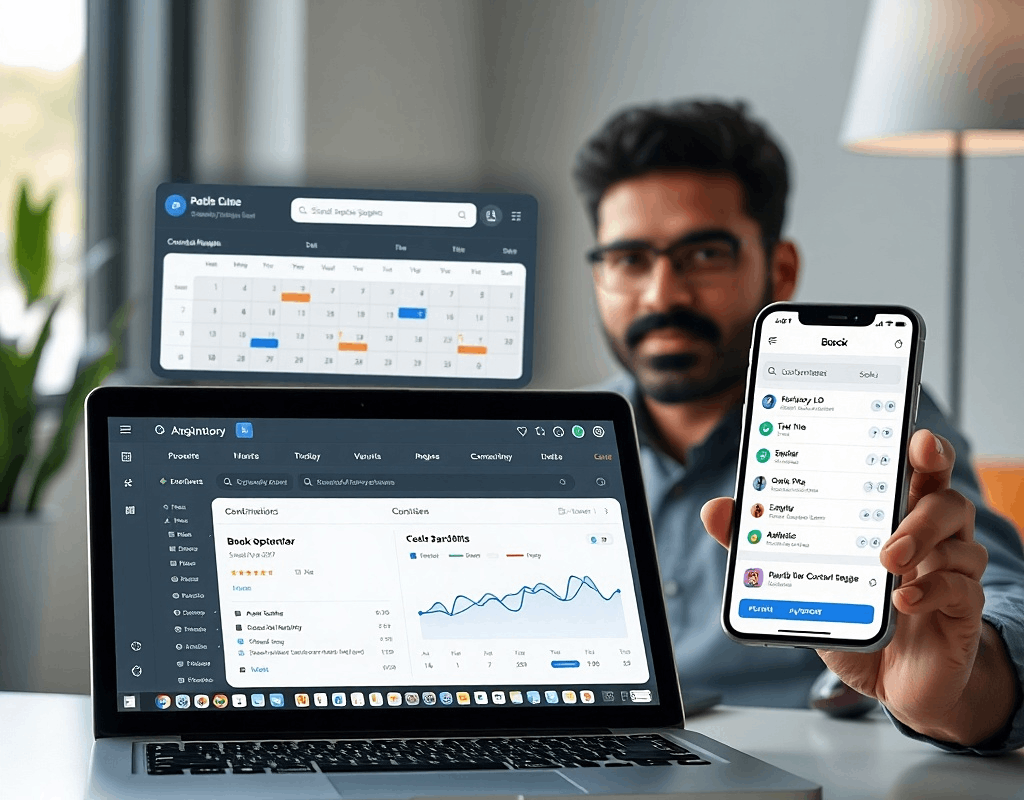
In today’s fast-paced digital landscape, businesses can no longer rely on manual booking methods or scattered spreadsheets. Whether you’re running a salon, healthcare clinic, hotel, or consulting service, a booking management system is essential to streamline operations, enhance customer experience, and maximize efficiency.
This blog breaks down the core components of a booking management system and how each part contributes to smoother operations and better business outcomes.
What is a Booking Management System?
A booking management system is a digital platform that allows businesses to manage reservations, appointments, and schedules in one centralized place. It eliminates manual errors, reduces administrative workload, and provides real-time visibility into availability and bookings.
Key Components of a Booking Management System
1. Customer Booking Interface
This is the front-facing component where customers interact with your system.
What it includes:
- User-friendly booking forms
- Real-time availability display
- Service selection options
- Date and time picker
- Customer details collection
Why it matters:
A seamless booking interface improves user experience and increases conversion rates. Customers expect a quick, hassle-free process—especially on mobile devices.
Example:
A fitness studio allows clients to book classes online, choose trainers, and instantly confirm their slots without calling or visiting.
2. Admin Calendar Dashboard
The admin dashboard is the control center for managing all bookings.
What it includes:
- Centralized calendar view of all appointments
- Staff scheduling and availability management
- Booking modification and cancellation tools
- Filters for date, service, or staff
Why it matters:
It gives businesses complete visibility and control over operations, helping avoid double bookings and scheduling conflicts.
Example:
A dental clinic can view all patient appointments for the week, assign dentists, and adjust schedules in real time.
3. Automated Notifications & Reminders
Communication is critical to reducing no-shows and keeping customers informed.
What it includes:
- Booking confirmations via email/SMS
- Reminder notifications before appointments
- Cancellation or rescheduling alerts
- Follow-up messages
Why it matters:
Automated notifications significantly reduce missed appointments and improve customer engagement without manual effort.
Example:
A salon sends automated SMS reminders 24 hours before an appointment, reducing last-minute cancellations.
4. Payment Integration
Modern booking systems often include secure online payment capabilities.
What it includes:
- Payment gateways (credit/debit cards, UPI, wallets)
- Advance deposits or full payment options
- Invoice generation
- Refund handling
Why it matters:
Prepaid bookings reduce no-shows and ensure revenue security. It also provides convenience for customers who prefer digital payments.
Example:
A travel agency collects partial payments during booking, ensuring commitment from customers.
Additional Features That Add Value
While the core components are essential, advanced systems often include:
- Reporting & Analytics: Track bookings, revenue, and customer trends
- Multi-location Management: Handle bookings across branches
- Integration with CRM/ERP: Sync customer and operational data
- Mobile App Support: Enable bookings on the go
- Customizable Workflows: Tailor the system to your business model
Benefits of Using a Booking Management System
Implementing a booking system can transform how your business operates:
- Reduces manual errors and administrative work
- Improves customer experience and satisfaction
- Minimizes no-shows through reminders
- Optimizes staff and resource utilization
- Provides data-driven insights for decision-making
Who Needs a Booking Management System?
Almost any service-based business can benefit, including:
- Healthcare providers
- Salons and spas
- Fitness centers and gyms
- Hotels and travel agencies
- Consultants and freelancers
- Event management companies
Thinking of Launching a Platform Like This?
If you’re exploring the idea of building your own booking management system or a similar digital platform, it’s important to get the foundation right.
Turnkey Infotech helps businesses and startups design and develop scalable digital products—from websites and ecommerce platforms to mobile apps, SaaS solutions, and marketplace platforms. Building a system like this requires thoughtful architecture, seamless integrations, and a strong user experience.
Whether you’re starting from scratch or refining an idea, having the right development partner can make all the difference.
What Turnkey Infotech can help you build:
- Websites
- Ecommerce platforms
- Mobile apps
- SaaS platforms
- Marketplaces
- Custom software solutions
If you have an idea in mind, this is a great time to explore it further.
Book a Free Consultation or Request a Free Demo to understand how your platform could come to life.