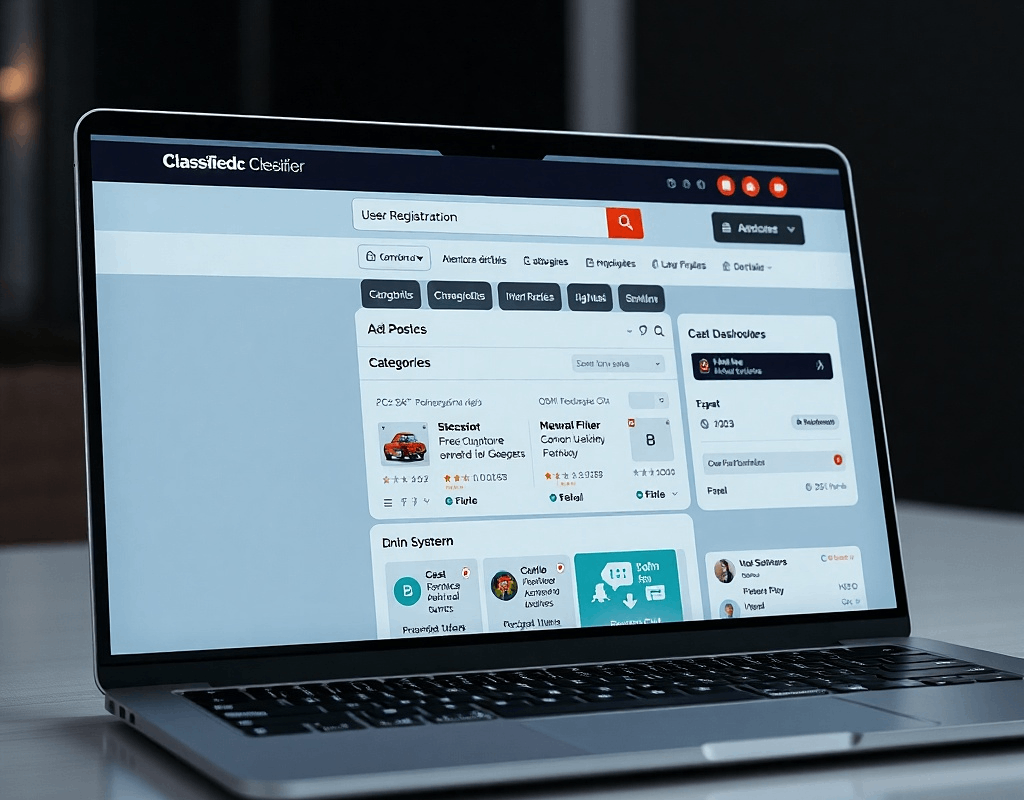
Classified websites have become essential digital marketplaces where users can buy, sell, and connect locally. Whether it’s real estate, jobs, vehicles, or services, the success of a classified platform depends on how well its core modules are designed and integrated.
If you’re planning to build or improve a classified platform, understanding these modules is crucial. Let’s break down the key components that power most successful classified websites.
1. Category Management
Categories are the backbone of any classified website. They organize listings into logical groups, making it easier for users to browse and discover content.
Key Features:
- Multi-level categories (e.g., Vehicles → Cars → SUVs)
- Custom attributes for each category (price, condition, brand, etc.)
- Easy admin control to add, edit, or remove categories
- SEO-friendly URLs for better search visibility
A well-structured category system improves user experience and ensures listings are easy to navigate.
2. Listing Posting System
This is the core interaction point where users create and publish their ads.
Key Features:
- Simple and intuitive posting form
- Image and video uploads
- Dynamic fields based on selected category
- Draft saving and preview options
- Moderation workflows (manual or automated approval)
A smooth listing process reduces friction and encourages users to post more frequently, which directly impacts platform growth.
3. User Messaging System
Communication between buyers and sellers is essential for conversions.
Key Features:
- In-platform chat or messaging
- Notifications (email, SMS, push)
- Spam protection and reporting tools
- Message history and attachments
A secure and reliable messaging system builds trust and keeps users engaged within the platform rather than moving conversations elsewhere.
4. Location-Based Filters
Classified platforms are often location-driven, especially for services, rentals, and local sales.
Key Features:
- City, region, and neighborhood filters
- GPS-based location detection
- Radius-based search (e.g., within 10 km)
- Map integration for visual browsing
Location filters make listings more relevant and improve the chances of successful transactions by connecting nearby users.
5. Featured Listings & Monetization
To generate revenue, classified platforms typically offer premium visibility options.
Key Features:
- Featured or sponsored listings
- Highlighted ads (top of search results)
- Urgent or boosted listings
- Subscription plans for frequent sellers
These features not only help businesses and individuals gain more visibility but also create a sustainable revenue model for the platform.
Bringing It All Together
A successful classified website isn’t just about listing ads—it’s about creating a seamless ecosystem where users can easily post, discover, and connect. Each module plays a critical role in shaping user experience, engagement, and scalability.
When these components are thoughtfully designed and technically robust, the platform becomes easier to grow, monetize, and maintain.
Thinking of Launching a Platform Like This?
If you’ve ever considered building a classified website or marketplace, it’s important to know that success goes beyond just having an idea. It requires the right technology architecture, scalable design, and a development team that understands how these platforms work end-to-end.
Turnkey Infotech helps startups and businesses design and build powerful digital products tailored to their goals. From idea to launch, the focus is on creating solutions that are practical, scalable, and user-friendly.
Solutions you can build:
- Websites
- Ecommerce platforms
- Mobile apps
- SaaS platforms
- Marketplace platforms
- Custom software
If you’re exploring an idea or want to understand how a platform like this could be built, it’s a great time to take the next step.
👉 Request a Free Demo or Book a Free Consultation to discuss your vision and see how it can be turned into a real, scalable product.