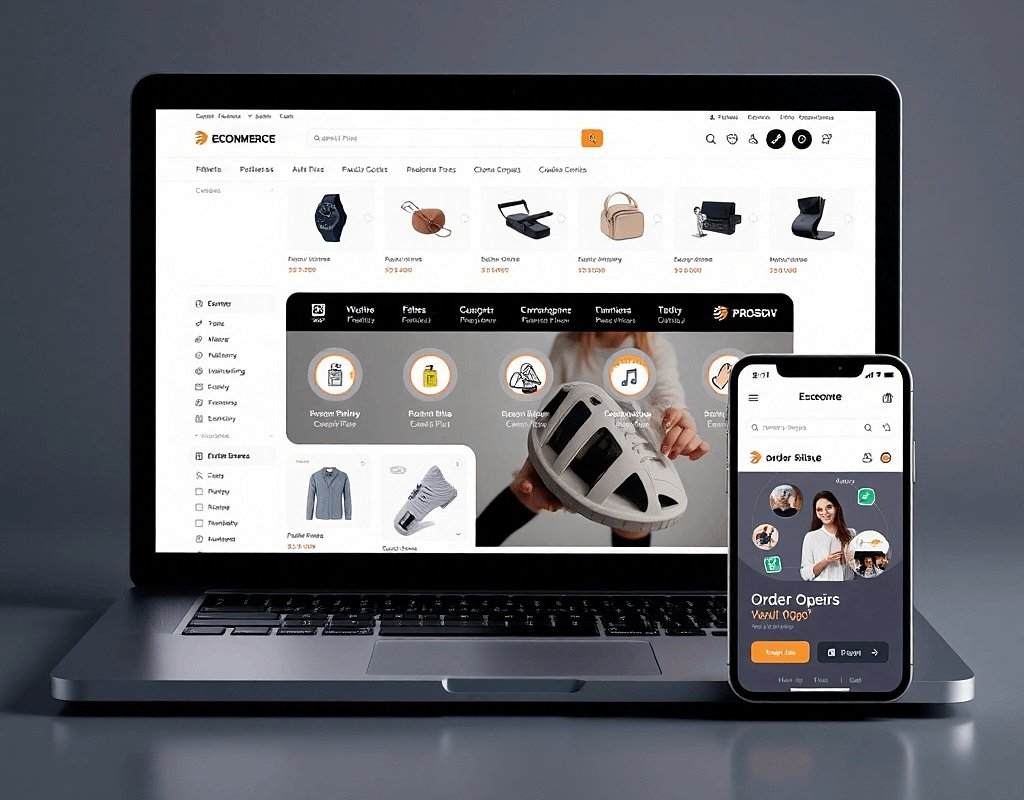
Launching an ecommerce platform today is about much more than simply listing products online. Customers expect smooth navigation, secure payments, real-time updates, and a seamless buying experience from start to finish.
Whether you’re building an online marketplace, a niche product store, or a scalable ecommerce startup, the right set of platform features can directly impact customer satisfaction, operational efficiency, and long-term growth.
Below are some of the most important features every modern ecommerce platform should include.
1. Advanced Product Filters and Search
When an online store grows beyond a handful of products, product discovery becomes critical. Customers should be able to quickly find what they’re looking for without scrolling endlessly.
Effective ecommerce platforms offer:
- Category-based browsing
- Filters by price, brand, size, color, or specifications
- Sorting options (popularity, newest, price low-to-high)
- Smart search with suggestions and auto-complete
These features significantly improve the shopping experience and help customers locate products faster, which can directly increase conversion rates.
2. Secure and Flexible Payment Gateways
A smooth checkout experience is one of the most important elements of ecommerce success. Customers expect multiple secure payment options and a frictionless checkout process.
Modern platforms typically integrate with payment gateways that support:
- Credit and debit cards
- Digital wallets
- Net banking
- UPI payments
- Buy-now-pay-later options
Security features such as SSL encryption, tokenization, and fraud protection are also essential to build customer trust and ensure safe transactions.
3. Customer Reviews and Ratings
Online shoppers often rely on reviews and ratings before making a purchase decision. This social proof can significantly influence buying behavior.
Key review system features include:
- Star ratings for products
- Written customer reviews
- Verified purchase badges
- Photo reviews from customers
- Review moderation tools
Not only do reviews build credibility, but they also help businesses gather valuable feedback about their products.
4. Real-Time Order Tracking
Customers expect visibility into the status of their orders from the moment they complete a purchase.
A good ecommerce platform provides:
- Real-time order status updates
- Shipping notifications via email or SMS
- Tracking links connected to logistics partners
- Delivery progress updates
This transparency reduces support queries and improves customer confidence in the platform.
5. Smart Inventory Management
Behind every successful ecommerce store is an efficient inventory management system.
Inventory tools help businesses:
- Track product stock levels in real time
- Receive low-stock alerts
- Manage multiple warehouses
- Sync inventory across sales channels
- Prevent overselling or stockouts
Automated inventory management also simplifies operational workflows and ensures customers always see accurate product availability.
6. Mobile-Friendly User Experience
A large percentage of ecommerce purchases now happen on mobile devices. Platforms must therefore be optimized for mobile users.
This includes:
- Responsive design
- Fast page loading
- Mobile-friendly checkout flows
- App-like navigation and browsing
A smooth mobile experience ensures customers can shop anytime and anywhere.
7. Admin Dashboard and Analytics
Business owners need access to insights that help them grow their platform.
A robust admin dashboard typically includes:
- Sales reports and analytics
- Customer behavior insights
- Order and fulfillment management
- Marketing and promotional tools
- Product performance tracking
These insights help businesses make data-driven decisions to improve sales and customer experience.
Thinking of Launching a Platform Like This?
If you’re exploring the idea of building a platform like this, having the right technology architecture and development expertise is crucial. From ecommerce platforms to scalable SaaS products, designing digital products requires careful planning, the right tech stack, and a development team that understands business goals.
Turnkey Infotech works with startups, entrepreneurs, and growing businesses to design and develop digital products tailored to their vision.
They help build solutions such as:
- Websites and web portals
- Ecommerce platforms
- Mobile applications
- SaaS platforms
- Marketplace platforms
- Custom business software
If you have an idea for a platform or digital product, it might be the perfect time to explore how it can be built and scaled.Request a Free Demo or Book a Free Consultation with Turnkey Infotech to discuss your idea and see how the right technology can turn it into a powerful digital solution. 🚀