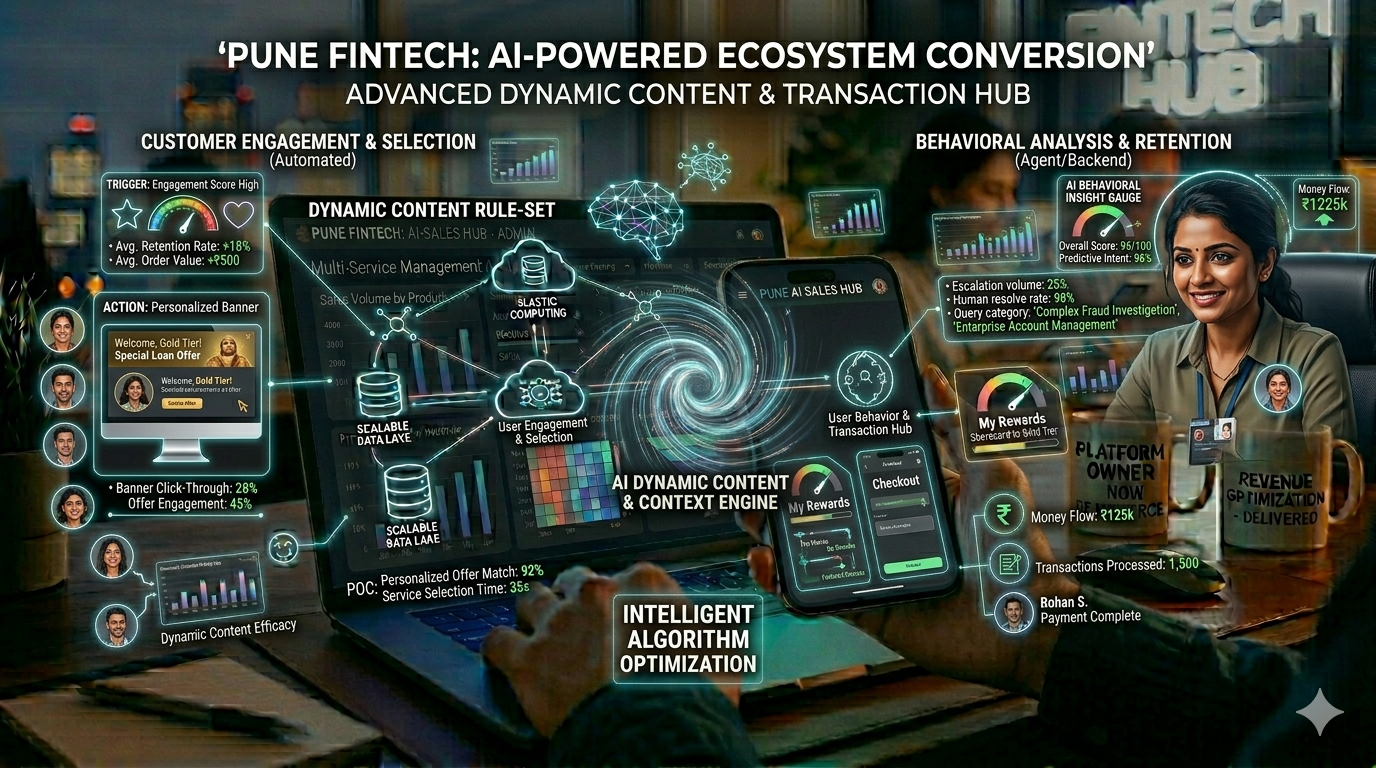
In today’s digital-first world, users expect websites to understand them—what they like, where they are, and what they need—often before they even ask. This is where AI website personalization comes into play. By leveraging artificial intelligence, businesses can deliver highly relevant, dynamic content tailored to each visitor, improving engagement, conversions, and overall user satisfaction.
Let’s explore how AI makes this possible.
What Is AI Website Personalization?
AI website personalization refers to the use of machine learning algorithms and data analytics to customize website content in real-time based on user behavior, preferences, and contextual data like location.
Instead of showing the same static content to every visitor, AI enables websites to adapt dynamically—creating a unique experience for each user.
1. Personalization Based on User Behavior
AI tracks how users interact with a website—what they click, how long they stay, what they search for, and what they ignore.
How it works:
- Machine learning models analyze browsing patterns
- Behavioral data is processed in real time
- Content is adjusted dynamically based on predicted intent
Examples:
- Recommending products based on browsing history
- Showing relevant blog posts based on reading behavior
- Adjusting homepage banners based on past visits
Impact:
Users feel understood, leading to higher engagement and increased conversions.
2. Location-Based Personalization
AI uses geolocation data to tailor content depending on where a user is accessing the website from.
How it works:
- Detects user location via IP or device data
- Combines location with contextual signals like time and language
- Serves region-specific content instantly
Examples:
- Displaying local currency and pricing
- Showing region-specific offers or events
- Highlighting nearby stores or services
Impact:
Creates a more relevant and seamless experience, especially for global businesses.
3. Personalization Based on User Preferences
AI learns user preferences over time—either explicitly (through settings) or implicitly (through behavior).
How it works:
- Builds user profiles using past interactions
- Continuously updates preferences using new data
- Predicts future needs using recommendation engines
Examples:
- Streaming platforms suggesting content you’ll likely enjoy
- E-commerce sites prioritizing preferred brands or categories
- News websites curating personalized feeds
Impact:
Enhances user satisfaction and builds long-term loyalty.
4. Real-Time Content Adaptation
One of the biggest advantages of AI website personalization is its ability to adapt instantly.
How it works:
- AI processes live user data
- Makes immediate decisions using predictive models
- Updates UI/UX elements dynamically
Examples:
- Changing CTAs based on user intent (e.g., “Buy Now” vs. “Learn More”)
- Showing exit-intent popups with personalized offers
- Reordering content sections based on engagement
Impact:
Improves conversion rates by delivering the right message at the right moment.
5. Predictive Analytics and Recommendations
AI doesn’t just react—it predicts.
How it works:
- Uses historical data and patterns
- Applies predictive modeling
- Suggests next best actions or content
Examples:
- “Customers also bought” recommendations
- Personalized email follow-ups
- Product suggestions based on lifecycle stage
Impact:
Drives revenue by guiding users toward meaningful actions.
6. Continuous Learning and Optimization
AI systems improve over time. The more data they collect, the smarter they become.
How it works:
- Uses feedback loops and A/B testing
- Continuously refines personalization strategies
- Identifies what works and what doesn’t
Impact:
Ensures your website keeps evolving with user needs and market trends.
Why AI Website Personalization Matters
- Higher engagement: Users interact more with relevant content
- Better conversion rates: Personalized journeys reduce friction
- Improved customer experience: Users feel valued and understood
- Stronger retention: Personalized experiences encourage repeat visits
Challenges to Consider
While powerful, AI personalization comes with responsibilities:
- Data privacy and compliance (GDPR, etc.)
- Avoiding over-personalization or “creepy” experiences
- Ensuring high-quality data for accurate predictions
- Choosing the right AI tools and infrastructure
The Future of AI Website Personalization
As AI continues to evolve, personalization will become even more intuitive—leveraging voice, predictive intent, and even emotional analysis.
Websites will shift from being static platforms to intelligent systems that adapt seamlessly to each user.
Thinking of Launching a Platform Like This?
If you’re inspired by how AI website personalization works, you’re not alone. Many startups and businesses are exploring ways to build intelligent digital platforms—but success depends heavily on the right tech foundation and execution.
Turnkey Infotech helps entrepreneurs and businesses design and develop scalable digital products tailored to their vision. Whether you’re building something from scratch or enhancing an existing platform, having the right architecture and development expertise is key.
What they can build:
- Websites
- Ecommerce platforms
- Mobile apps
- SaaS platforms
- Marketplace platforms
- Custom software solutions
If you have an idea or want to explore how a platform like this could work for your business, it’s worth having a conversation.
👉 Request a Free Demo or Book a Free Consultation to discuss your idea and see how it can be brought to life.