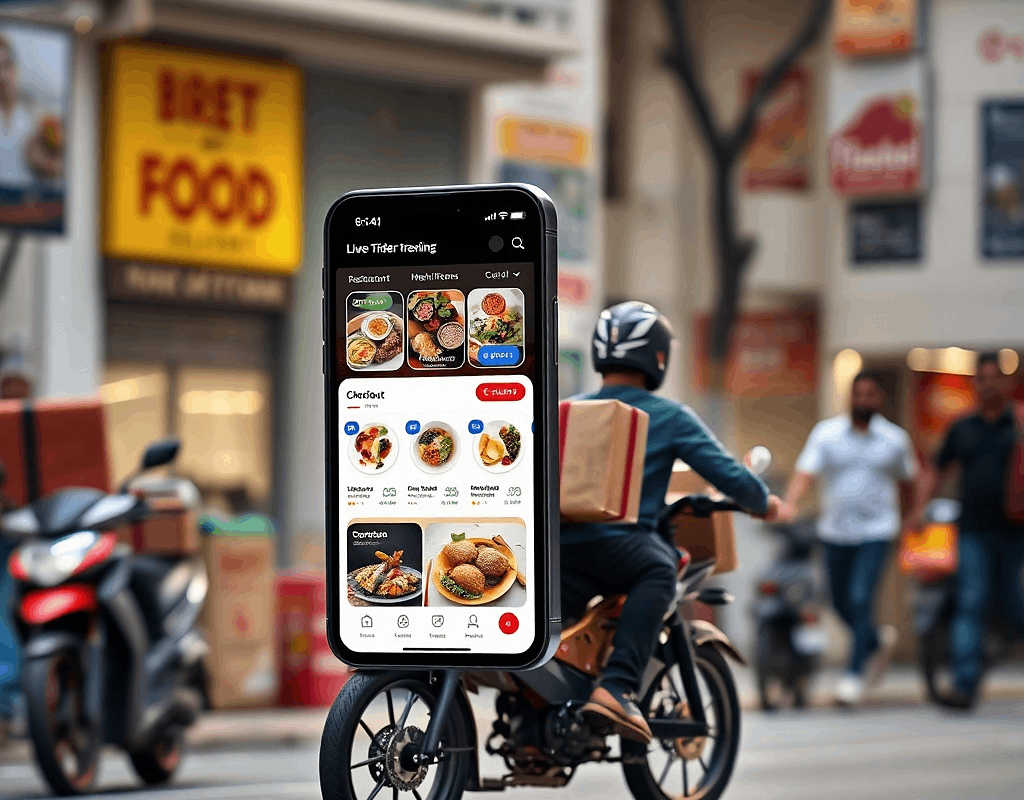
The rapid growth of online food ordering has transformed how restaurants connect with customers. From local eateries to large chains, businesses are increasingly investing in food delivery platforms to stay competitive and meet evolving consumer expectations.
But building a successful food delivery platform involves much more than just a sleek interface. It requires a well-planned system that seamlessly handles restaurant onboarding, menu management, order routing, delivery logistics, payments, and real-time customer communication.
Let’s break down the key components of food delivery platform development.
1. Restaurant Onboarding
Restaurant onboarding is the foundation of your platform. It determines how easily vendors can join and start operating.
A good onboarding system should include:
- Self-service registration: Restaurants can sign up, upload documents, and create profiles.
- Verification workflows: Admin approval for licenses, compliance, and authenticity.
- Dashboard access: Once approved, restaurants get access to manage orders, menus, and analytics.
A smooth onboarding experience reduces friction and helps you scale your platform quickly by attracting more restaurant partners.
2. Menu Management
Menu management plays a crucial role in user experience and operational efficiency.
Key features include:
- Dynamic menu creation: Add categories, items, pricing, and images.
- Customization options: Allow add-ons, combos, and dietary preferences.
- Real-time updates: Restaurants can instantly update availability or pricing.
- Inventory integration: Sync menu items with stock levels to avoid order cancellations.
A well-structured menu system ensures accuracy, improves customer satisfaction, and reduces operational errors.
3. Order Routing System
Order routing determines how incoming orders are processed and assigned.
Important aspects:
- Smart order allocation: Automatically route orders to the correct restaurant location.
- Load balancing: Distribute orders efficiently during peak hours.
- Order prioritization: Handle urgent or scheduled orders differently.
- Status tracking: From “Order Placed” to “Preparing” to “Out for Delivery.”
An efficient routing system ensures faster processing and minimizes delays.
4. Delivery Assignment
Delivery logistics are at the heart of any food delivery platform.
Key capabilities include:
- Driver allocation algorithms: Assign the nearest available delivery partner.
- Route optimization: Reduce delivery time using real-time traffic data.
- Batch deliveries: Assign multiple orders to a single driver when feasible.
- Live tracking: Allow customers and restaurants to track delivery in real time.
A strong delivery system directly impacts customer satisfaction and operational costs.
5. Payment Handling
A robust payment system is essential for trust and convenience.
Features to consider:
- Multiple payment options: UPI, cards, wallets, and cash on delivery.
- Secure transactions: Encryption and compliance with payment standards.
- Split payments: Automatically distribute earnings between restaurants, delivery partners, and platform commissions.
- Refund management: Handle cancellations and disputes efficiently.
Smooth payment handling builds user confidence and reduces friction during checkout.
6. Customer Notifications
Real-time communication keeps users engaged and informed.
Types of notifications:
- Order confirmation alerts
- Preparation updates
- Out-for-delivery notifications
- Delivery arrival alerts
- Promotions and offers
Channels include:
- Push notifications
- SMS
Timely updates improve transparency and enhance the overall user experience.
Final Thoughts
Building a food delivery platform requires a combination of intuitive design, scalable architecture, and seamless integration between multiple systems. Each component—from onboarding to delivery—must work together efficiently to create a reliable and user-friendly experience.
Whether you’re launching a niche food marketplace or a full-scale delivery service, investing in the right technology stack and development strategy is key to long-term success.
Thinking of Launching a Platform Like This?
If you’re exploring the idea of building a food delivery platform or any digital product, partnering with the right development team can make all the difference. Turnkey Infotech works with startups, founders, and growing businesses to design and develop scalable digital solutions tailored to their goals.
From choosing the right architecture to building user-friendly interfaces, having the right expertise ensures your platform is future-ready.
What they can help you build:
- Websites
- Ecommerce platforms
- Mobile apps
- SaaS platforms
- Marketplace platforms
- Custom software solutions
If you have an idea in mind or want to explore what’s possible, this is a great time to take the first step.
👉 Request a Free Demo or Book a Free Consultation to discuss your vision and see how your platform can come to life.