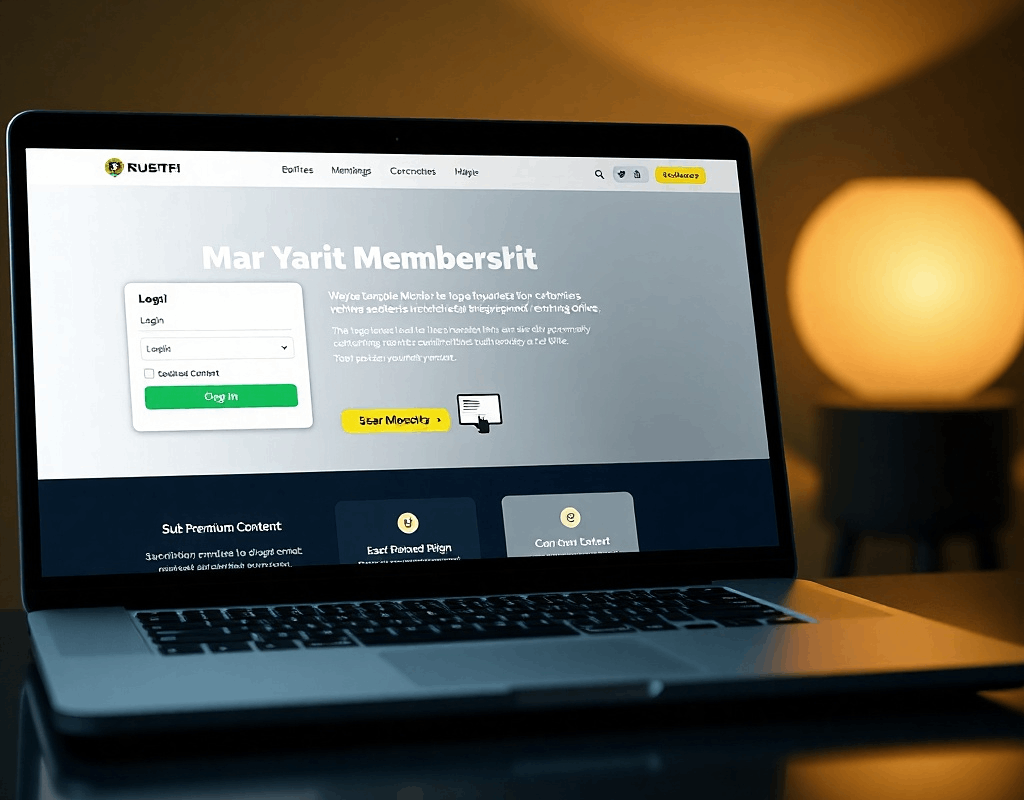
A membership website platform is a powerful digital solution that allows businesses to offer exclusive content, services, or communities to registered users—often behind a paywall. From online learning portals and fitness programs to premium communities and subscription-based services, membership platforms are rapidly becoming a preferred business model for recurring revenue and customer engagement.
In this blog, we’ll break down how membership websites work, their key components, and why they are valuable for modern businesses.
What Is a Membership Website Platform?
A membership website is a platform where users must register and log in to access restricted content or services. Access is usually controlled based on subscription plans, roles, or permissions.
These platforms are commonly used for:
- Online courses and e-learning portals
- Subscription-based content (videos, blogs, newsletters)
- Professional communities and forums
- Fitness and coaching programs
- SaaS tools and digital services
How Membership Websites Work
A membership platform operates through several core components that work together seamlessly:
1. User Registration and Account Management
The first step in any membership platform is user onboarding.
Users typically:
- Sign up using email, phone number, or social login
- Create a profile
- Verify their identity (via OTP or email confirmation)
Once registered, users get access to a personal dashboard where they can:
- Manage profile information
- View subscription status
- Track activity or progress
👉 Example: An online course platform allows users to sign up and track completed lessons.
2. Subscription Plans and Payment Integration
Membership websites often monetize through subscription models, which can include:
- Monthly or yearly plans
- Tiered pricing (Basic, Premium, Pro)
- Free trials or freemium access
Payment gateways are integrated to handle:
- Secure transactions
- Recurring billing
- Invoice generation
Popular payment features include:
- Auto-renewal subscriptions
- Coupon codes and discounts
- Upgrade/downgrade plans
👉 Example: A fitness platform offers ₹999/month for access to workout videos and ₹1999/month for personal coaching.
3. Protected Content Access
The defining feature of a membership website is restricted or gated content.
Access is controlled based on:
- Subscription level
- User role (member, admin, guest)
- Purchase history
Protected content may include:
- Videos and tutorials
- Articles and premium blogs
- Downloadable resources
- Webinars and live sessions
👉 Example: A business coaching platform only allows premium members to access advanced training modules.
4. User Dashboard Experience
A well-designed user dashboard enhances engagement and retention.
Users can:
- Access subscribed content
- Track progress (courses, workouts, etc.)
- Manage billing and subscriptions
- Receive notifications or updates
Advanced platforms may include:
- Gamification (badges, points)
- Personalized recommendations
- Community features (forums, chats)
5. Admin Dashboard and Management Tools
Behind every membership platform is a robust admin panel that gives businesses full control.
Admins can:
- Manage users and subscriptions
- Upload and organize content
- Monitor payments and revenue
- Analyze user behavior and engagement
Key admin features include:
- Content scheduling
- Role-based access control
- Analytics and reporting dashboards
- Customer support management
👉 Example: An admin can track which courses are most popular and optimize content accordingly.
6. Notifications and Engagement Features
To keep users active, membership platforms include:
- Email and push notifications
- Subscription reminders
- Content updates and announcements
Some platforms also integrate:
- Community forums
- Live chat or messaging
- Event/webinar hosting
Benefits of a Membership Website Platform
Businesses are increasingly adopting membership platforms because they offer:
✅ Recurring Revenue
Subscription models ensure predictable and consistent income.
✅ Customer Retention
Exclusive content and ongoing value keep users engaged long-term.
✅ Scalability
Once built, platforms can serve thousands of users without proportional cost increases.
✅ Brand Authority
Offering premium content positions your business as an industry expert.
✅ Data-Driven Growth
Analytics help understand user behavior and improve offerings.
Real-World Use Cases
Here are a few practical applications:
- EdTech Platforms: Sell structured courses with progress tracking
- Fitness Apps: Provide workout plans and live sessions
- Creator Platforms: Offer exclusive content to paid subscribers
- Business Communities: Create networking groups with premium access
- SaaS Tools: Provide software access based on subscription tiers
Key Features to Consider When Building One
If you’re planning a membership website, make sure it includes:
- Secure user authentication
- Flexible subscription management
- Seamless payment integration
- Scalable content delivery system
- Mobile-friendly design
- Strong admin analytics dashboard
Thinking of Launching a Platform Like This?
If you’re exploring the idea of building a membership website platform, having the right tech foundation is crucial. Turnkey Infotech works with startups and businesses to design and develop scalable digital products—from simple websites to complex SaaS and marketplace platforms.
Building a membership platform involves more than just design—it requires thoughtful architecture, secure payment systems, and seamless user experiences.
Here’s what Turnkey Infotech can help you build:
- Websites
- Ecommerce platforms
- Mobile apps
- SaaS platforms
- Marketplace platforms
- Custom software solutions
If you have an idea in mind or want to explore how such a platform could work for your business, it’s worth having a conversation.
👉 Request a Free Demo or Book a Free Consultation to get started and turn your concept into a scalable digital product.